
-
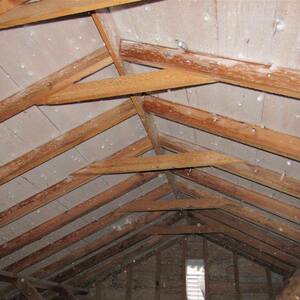
Recurring Mold in the Attic
What is the source of moisture in this cold-climate vented roof assembly with cellulose insulation?
-
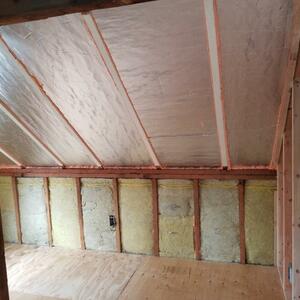
Air-Sealing and Insulating an Existing Wall
What are the most effective air-sealing strategies and best insulation types for minimizing airflow through a north-facing wall?
-
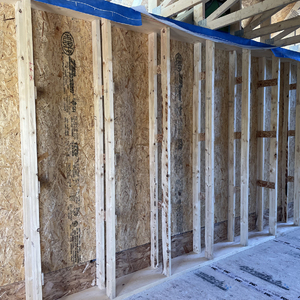
Considerations When Insulating With Dense-Pack Cellulose
Is netting and strapping the ideal method? What's the best drywall thickness? How can you minimize bulging?
-
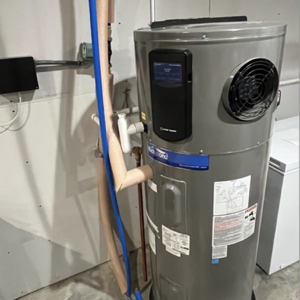
Engineering a Domestic Hot Water System to Meet High Demand
What’s the best back-up option for a big family that always runs out of hot water?
-
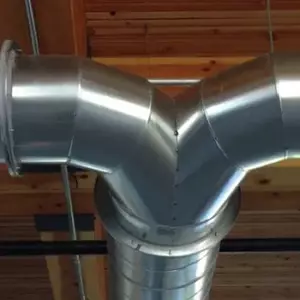
High-Velocity HVAC Systems
Are smaller duct size and the ability to dehumidify reasons enough to install a system that distributes air at high pressure?
-
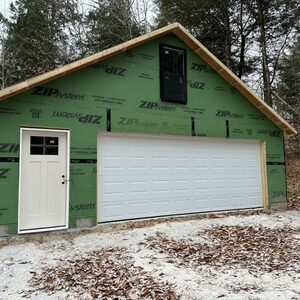
Insulation and HVAC for a Detached Garage
Building scientist Kohta Ueno recommends slab, wall, and roof assemblies for a cold climate
-
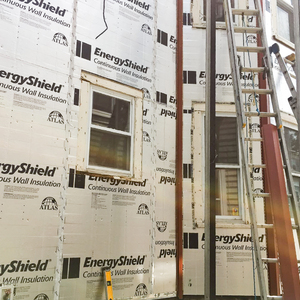
Choosing Wall Insulation for a New Build
What’s the best combination of exterior and interior insulation for a “forever” home?
-
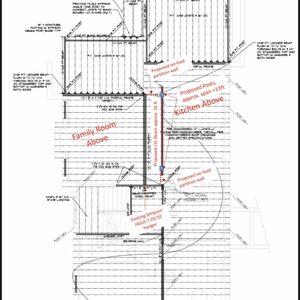
Footings for Load-Bearing Posts
A homeowner wants to fix a "bouncy" floor by adding a new beam. Do the posts need footings?
-
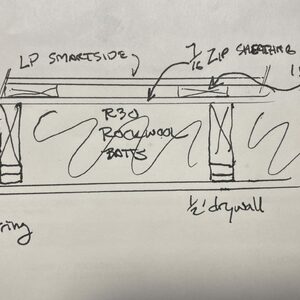
Variation on the Bonfiglioli Wall
Is this system the best choice to reduce thermal bridging?
-
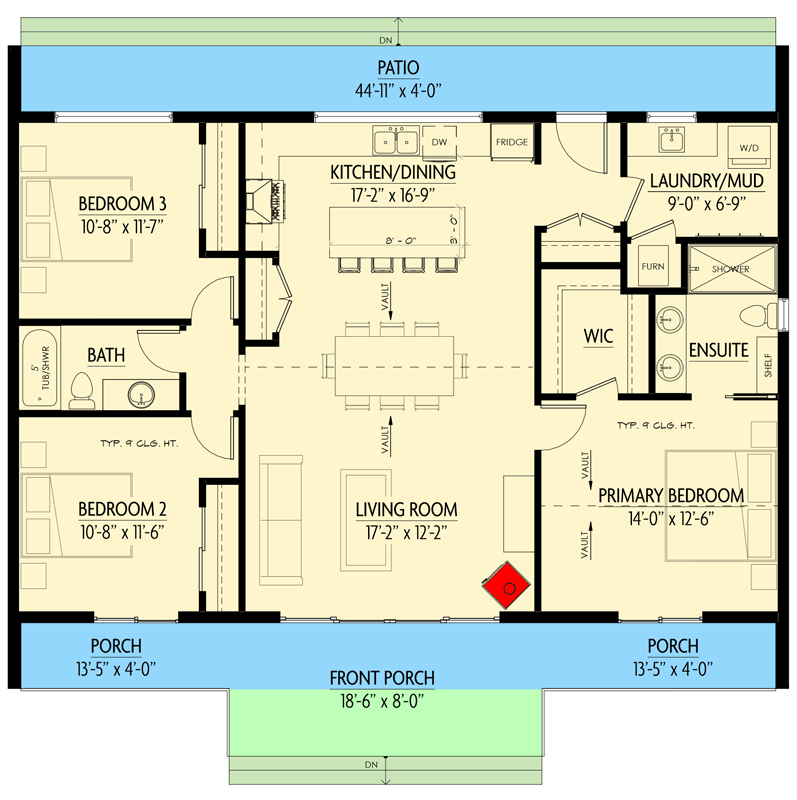
Getting HVAC Right in a New, Tight Home
The trick is to balance ventilation, dehumidification, and heating/cooling









