
More Code Green


9 Steps to A Greener Code
New homes built using the 2009 International Residential Code (IRC) or International Energy Conservation Code (IECC) will be more energy efficient than ever. As a consequence, a builder’s world may become a bit more complex and, in some cases, a bit more expensive.
STEP 8: EXCEEDING THE ENERGY CODE (IECC)
Code: N1101.8 A code official or local jurisdiction is permitted to allow a national, state, or
local green-building or energy-efficiency program to exceed the energy efficiency required by the IRC or IECC. A building approved in writing by such a program will be considered compliant.
What it means to you: This update ensures that builders who use LEED, Energy Star, or a local green-building program may be able to comply with all energy-code provisions of the IRC and IECC. The above code provision allows a building official to deem the energy-efficient program as exceeding the energy efficiency required by the code. The value of this provision is that while the energy requirements of both the IRC and the IECC change, other programs initiated by cities, counties, and states sometimes do not—at least not at the same pace. Builders can disregard the energy requirements of the code only if the locality has approved the alternative program.
The 2009 building codes reflect practices that not only increase energy efficiency, like air sealing measures and increased insulation, but also address sustainable building practices, like moisture control.
Other segments of this series:
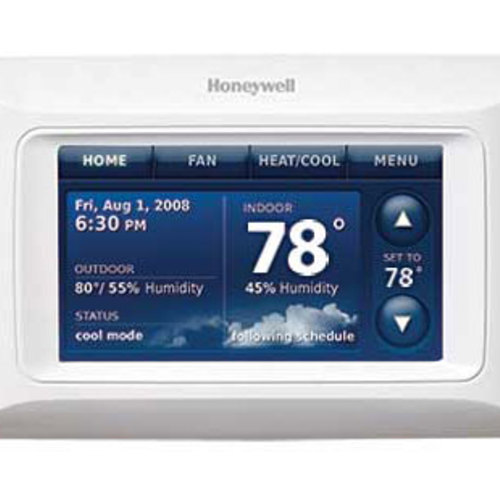
Part 4: Programmable Thermostats
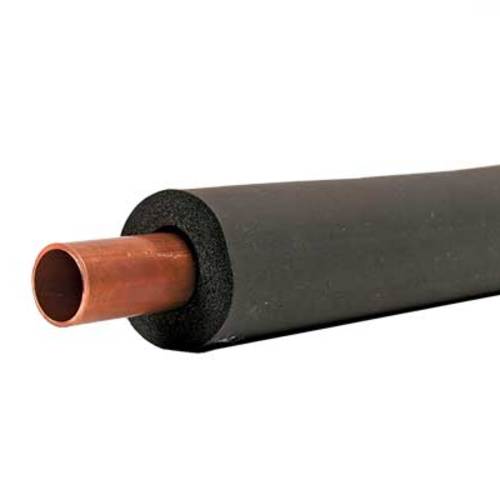
Part 7: Insulating Mechanical Pipes
Part 8: Exceeding the Energy Code
Weekly Newsletter
Get building science and energy efficiency advice, plus special offers, in your inbox.




5 Comments
Steps to A Greener Code
The value of this provision is that while the energy requirements of both the IRC and the IECC change, other programs initiated by cities, counties, and states sometimes do not—at least not at the same pace.
Are we to assume and expect IRC and IECC codes to maintain a minimum standard consistantly with ever increasing technologies with processes and innovations within energy efficiency?
Comfort?
At some point in this debate over the best way to control indoor environments, I think it would be good to discuss "comfort" itself.
Saving energy or the environment is obviously not the highest value in the industry - comfort is. If its imperative that I need to live between 68 and 72 degrees in my home, I am going to need to invest a lot of resources to get there. What I am willing to live between 65 and 80? What if I want some variation with the seasons, and I don't want to live in a "sterile", unchanging environment?
Response to TTF
TTF,
Adjust your thermostat.
Response to Martin
OK - I'll adjust my thermostat. i guess you aren't interested in the debate over just comfortable to we need to be? And how much should we be spending to get it?
I was assuming this was a taboo subject when I posted the comment. If we can convince people that 65 to 80 variation is fine (as it was with my grandparents), it might take a kit less effort and be better for the environment.
Example: Why do I want to pay for a gee-whiz air exchanger and triple pane windows, when we sleep with the window open every night all year long (in Oregon)? The green thing to do is to live with the seasons.
Second response to TTF
TTF,
I agree with you completely. Just open your windows.
Log in or create an account to post a comment.
Sign up Log in