Energy Solutions

Changing Behavior to Save Energy

Posted on December 20, 2012 by Alex Wilson

We live in a world of gadgets and stuff. When it comes to saving energy, we look to high-efficiency light bulbs or dishwashers. Or we use the advanced weatherstripping to seal our windows or add insulation in our attics. And hopefully we’ll look at fuel-economy ratings when shopping for our next car.

Those are important things to be doing — and we should continue paying attention with all of our purchases. But we should also recognize that behavior is a big part of our overall energy consumption.

Energy-Efficient Stocking Stuffers and More

Posted on December 13, 2012 by Alex Wilson

I’m not a big shopper. I don’t even particularly like getting presents. Our society is just too much about consumption. Nonetheless, as I’ve done on occasion in the past, I’m providing below some Christmas shopping ideas.

Using Open-Web Trusses as Rafters for Superinsulated Roofs

Posted on December 6, 2012 by Alex Wilson

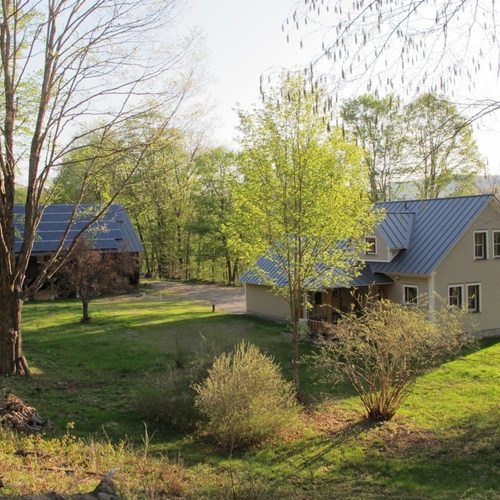
Last week I wrote about an innovative foundation insulation material, Foamglas, that we used in our new house in Dummerston. This week I’ll talk about the open-web rafters we’re using to achieve a superinsulated roof.

First, a little background. There are several approaches to creating highly insulated roofs.

On the Jobsite with Foamglas

Posted on November 29, 2012 by Alex Wilson

In my role with Environmental Building News and our GreenSpec Product Database, I get plenty of opportunities to research and write about innovative building products. That’s one of the really fun aspects of my job.

A Few Product Highlights from GreenBuild

Posted on November 22, 2012 by Alex Wilson

I attended the GreenBuild Conference and related meetings in San Francisco last week. This is the largest conference and trade show in the green building field, and it is increasingly becoming the national event where large manufacturers roll out new building products.

Described below are a few product highlights from the trade show that caught my eye as I wandered around. I only got through about a quarter of the trade show.

Comparing Fuel Costs

Posted on November 15, 2012 by Alex Wilson

If there’s one thing that we can predict with certainty about fuel costs, it’s that they fluctuate a lot. That wasn’t always the case. The price of electricity, natural gas, propane, and heating oil were remarkably stable for decades — up until the 1970s.

Since then, prices of most fuels have gyrated wildly, driven by political unrest in some parts of the world, periods of greater or lower demand driven by periods of strong economic growth or contraction, resource limitations (real or perceived), and the situation in China and other parts of this increasingly connected world.

Gas Lines Point to a Need for Resilience

Posted on November 8, 2012 by Alex Wilson

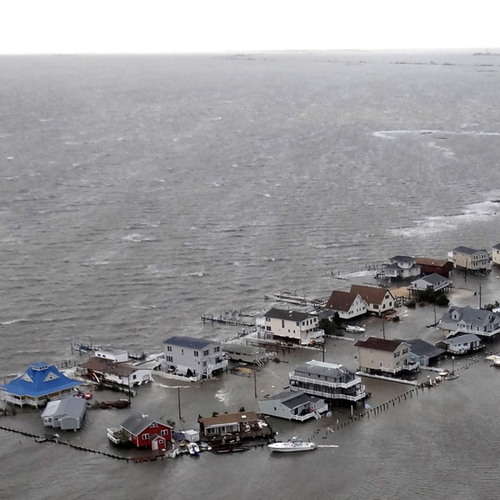
By now we’ve all seen the photos of houses buried in sand along the Jersey Shore, burned-out homes in Queens, and submerged subway stations in Manhattan. Those spectacular images were in the first wave of news from Superstorm Sandy last week.

Masonry Heaters Burn Hot and Clean

Posted on November 1, 2012 by Alex Wilson

Over the past two weeks I’ve written about wood stoves and pellet heating. This week I’ll focus on another way to burn wood cleanly and efficiently: using a masonry heater.

Heating With Wood Pellets

Posted on October 25, 2012 by Alex Wilson

My wife and I have a sort-of love-hate relationship with our pellet stove. She leans more toward the latter, while I see the benefits outweighing the negatives.

In this column I’ll outline the primary advantages and disadvantages of pellet heating.

Heating With Wood Safely and Efficiently

Posted on October 18, 2012 by Alex Wilson

I’ve been heating primarily with wood since I bought our house 31 years ago, though there were a few years following our installation of an oil boiler when wood consumption dropped considerably.

Wood heat has a mixed record, though. It’s a renewable fuel and, assuming that new trees grow up to replace those cut for firewood, it is carbon-neutral, meaning that it doesn’t have a net contribution to global warming. But burning firewood produces a lot of air pollution; in fact, it’s usually our dirtiest fuel.

Register for a free account and join the conversation


Get a free account and join the conversation!
Become a GBA PRO!

Syndicate content