Energy Solutions

Resilient Design: Passive Solar Heat

Posted on January 12, 2012 by Alex Wilson

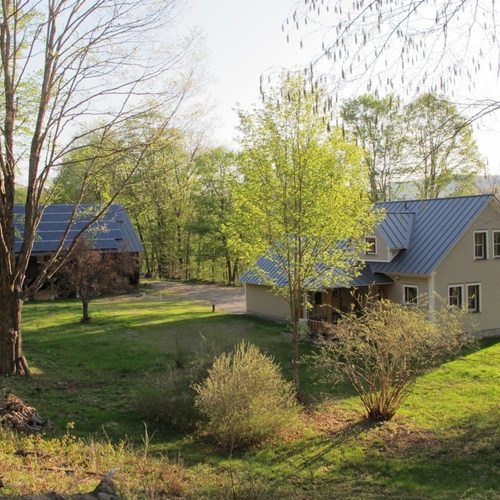
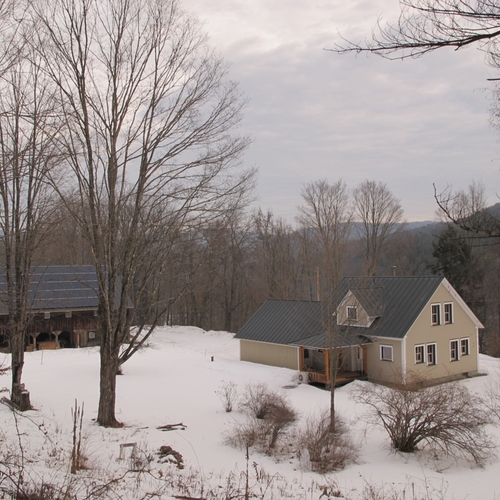
As I discussed in last week's blog, a resilient home is extremely well insulated, so that it can be kept warm with very little supplemental heat — and if power or heating fuel is lost, for some reason, there won't be risk of homeowners getting dangerously cold or their pipes freezing. If we design and orient the house in such a way that natural heating from the sun can occur, we add to that resilience and further reduce the risk of the house getting too cold in the winter.

Passive solar heating

Resilient Design: Dramatically Better Building Envelopes

Posted on January 5, 2012 by Alex Wilson

When most people think about resilience — resilience to storms, for example — they think only about resilience during the event. Equally important, if not more important, I believe, is resilience in the aftermath of that event. Hurricanes, ice storms, blizzards, wildfires, tornadoes, and other natural disasters not only have an immediate impact, for which we may or may not be able to prepare, but they often have a much longer-term impact, usually through extended power outages.

Designing Houses and Communities To Be Smarter and More Resilient

Posted on December 29, 2011 by Alex Wilson

As we look to create homes and communities that will keep us comfortable and safe in a world of climate change, terrorism, and other vulnerabilities, there are a handful of strategies that I group loosely under the heading of "smarter design." Some of these strategies come into play more at the land-use planning scale, or are relevant only in certain locations that are at risk of flooding, but all are worth thinking about when planning a new home.

Where we build

Resilience: Designing Homes for More Intense Storms

Posted on December 21, 2011 by Alex Wilson

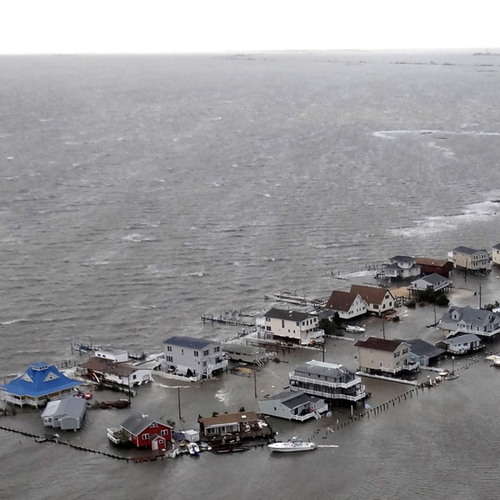
Anyone who was in Vermont in late August of this year and witnessed the raging floodwaters from tropical storm Irene gained an intimate view of the vulnerabilities we face from intense storms and flooding. Hundreds of miles of roadway were heavily damaged, dozens of bridges washed away, and some communities were cut off for weeks.

Making the Case for Resilient Design

Posted on December 14, 2011 by Alex Wilson

During my six-week bike ride last spring (during my sabbatical), I covered nearly 2,000 miles, most of it over land that hadn't seen a drop of rain since the previous fall; some of those areas — mostly in Texas — still haven't gotten significant precipitation. Farmers in Texas have had to plow their cotton under or slaughter their cattle. If the drought continues through the winter, power plants may have to start shutting down for want of cooling water.

Back from Sabbatical

Posted on December 7, 2011 by Alex Wilson

Back in March I reported that I would be taking leave from this blog as I embarked on an eight-month sabbatical. With support from the Hanley Award I received last year, I was able to take an unpaid leave from BuildingGreen for some rejuvenation, reflection, research, and writing.

Sniffing Out House Problems

Posted on November 30, 2011 by Tristan Roberts

A victim of a hepatitis E infection she picked up unknowingly in Brazil, Genevive Bjorn’s liver rebelled against her one night in Hawaii. Her body almost shut down on her, but with help from the hospital, a battery of tests, her watchful boyfriend at her side, and a diet of nothing but rice porridge, she squeaked through.

New Blowing Agent Addresses Climate Impact of Foam Insulation

Posted on November 22, 2011 by Tristan Roberts

Honeywell has introduced two new blowing agents that could dramatically reduce the global warming potential (GWP) of a variety of foam insulation types. Marketed under the brand name Solstice, they are designed to be “drop-in” substitutes for blowing agents currently used to manufacture insulation for both buildings and appliances, including extruded polystyrene and closed-cell polyurethane foams.

Top 10 Air Leaks in Existing Homes – Part 2

Posted on November 16, 2011 by Tristan Roberts

From an energy-efficiency standpoint, the trouble with owning an old home is that you’re stuck with whatever bad decisions the previous owners made, and historical trends also tend to work against you. The trouble with building a new home is that you are the one that is going to make the bad decisions.

The best opportunity to make important decisions that will deliver energy efficiency for the life of the home is during design. There is rapid diminution of these opportunities during construction and then during use of the home.

A New Way to Generate Solar Electricity

Posted on November 9, 2011 by Tristan Roberts

An environmentalist dies and reports to the pearly gates, but there is a mix-up and she is sent to the gates of hell. Once in hell, she is horrified by the air and water pollution, global warming, and habitat destruction. But she gets to work to improve the situation, and soon the hellscape is covered with grass and plants, the food is organic, the air is clean, and the people are happy.

Register for a free account and join the conversation


Get a free account and join the conversation!
Become a GBA PRO!

Syndicate content