
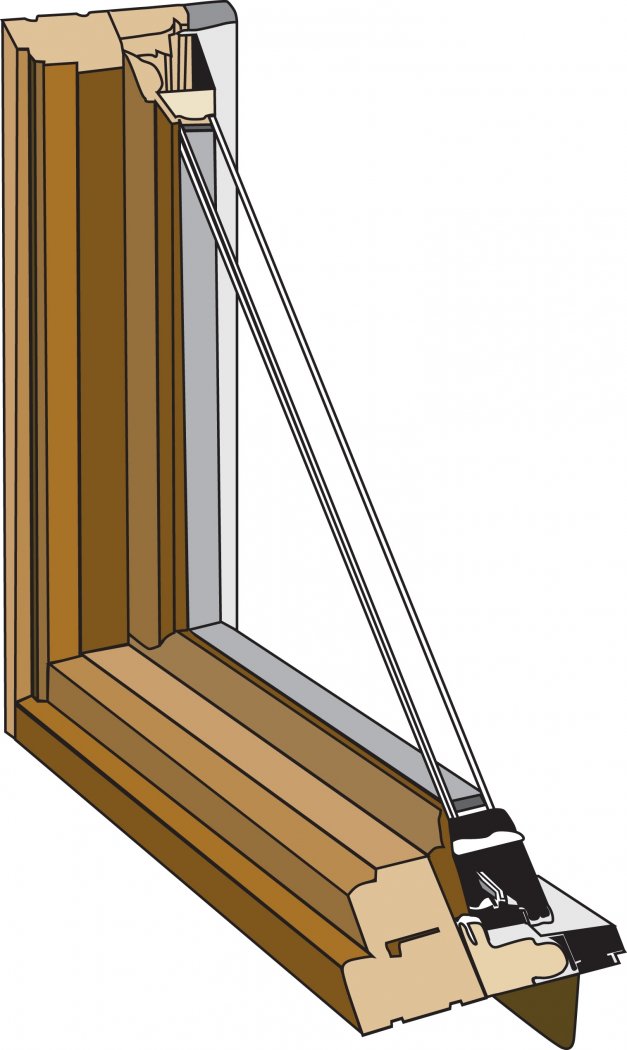
Image Credit: Weather Shield
More Green Building News


New Tax Credits For Residential Energy Improvements Will Be Available for 2009 Work
WASHINGTON, DC — The $700 billion bank bailout bill signed into law by President Bush in October 2008 included a renewal of the homeowner energy-efficiency tax credits originally established in August 2005. (These tax credits were available to homeowners who performed air-sealing work, installed Energy Star windows, installed insulation, or bought an efficient furnace or air conditioner in 2006 and 2007.) While the new bill reinstates tax credits for work performed in 2009, it leaves a one-year gap, with no available tax credits for work performed in 2008. “Congress really left a doughnut hole with this kind of language,” commented Steven Nadel, the executive director of the American Council for an Energy-Efficient Economy. “The package was getting too expensive, so they were trying to find out ways to cut the cost.” Tyson Slocum, director of the energy program at Public Citizen, a nonprofit advocacy group, was more blunt. “While Congress was opening up the federal checkbook to provide up to a trillion dollars to Wall Street, they were extremely militant about keeping the cost down of tax breaks for households,” said Slocum. For work performed in 2009, however, homeowners can receive the following tax credits:
- Up to $150 for a new efficient furnace.
- Up to $500 for 10% of the cost of air-sealing materials, new insulation, new exterior doors, or new reflective roofing.
- Up to $300 for a new efficient central air conditioner, heat pump, water heater, or certain biomass stoves.
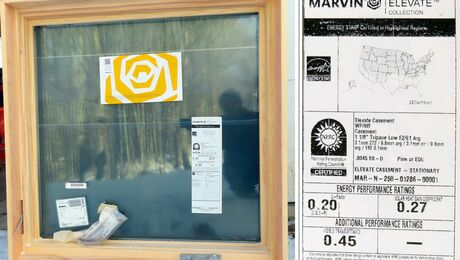
- Up to $200 for 10% of the cost of new Energy Star windows.
The maximum tax credit per household is $500. For more information, visit www.ase.org/taxcredits.
ANALYSIS
For those who care about energy efficiency, the federal tax credit program looks like a very blunt instrument indeed. The program shows all the signs of having been drafted by manufacturers’ lobbyists, not energy experts. Why else is a credit provided for window replacement, a measure that is almost never cost-effective? The window replacement tax credit will do more to line the pockets of window manufacturers than participating homeowners. A truly effective program would provide tax credits for home energy audits and air-sealing work; but since the cost of these measures is mostly labor, they are excluded from the tax-credit program, which covers material costs only. (Bizarrely, a taxpayer can claim a credit for 10% of the cost of any tubes of caulk used to perform air-sealing work, but can’t claim a credit for the cost of the labor to find air leaks — an absurd provision that appears to be propelled by the needs of caulk manufacturers, not logic.)
Weekly Newsletter
Get building science and energy efficiency advice, plus special offers, in your inbox.





0 Comments
Log in or create an account to post a comment.
Sign up Log in