

Image Credit: New Ecology
More Green Communities


From guest blogger Alison Corwin, New Ecology
We at New Ecology are very excited to be involved with the Neighborhood Stabilization Program (NSP) as our mission is to promote development solutions that deliver positive economic, environmental, and social returns. The NSP program recognizes the importance of promoting development that protects environmental quality and eliminates pollution and waste, provides direct, meaningful economic opportunities for communities, and builds civic capacity to ensure a healthy future.
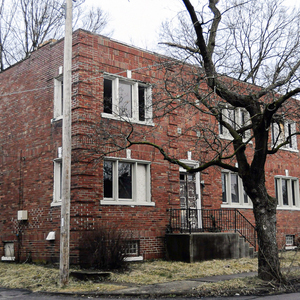
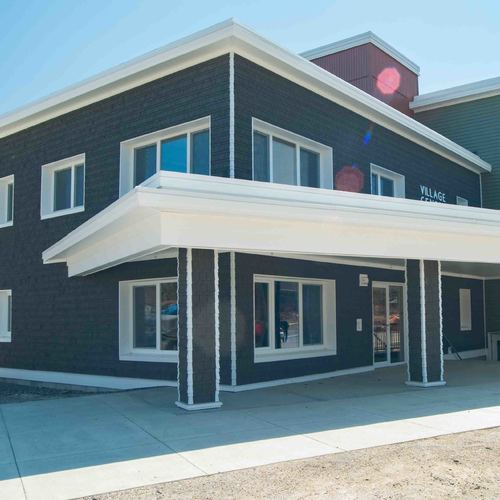
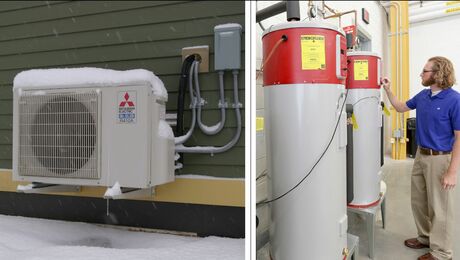
By implementing greening strategies in the rehabilitation of existing affordable housing stock, there is great potential not only to reduce energy and water use, making it more sustainable from an environmental standpoint, but to develop a meaningful economic opportunity as well. The energy and water savings reduce operating costs in the long term, helping to ensure the housing remains affordable in the future.
New Ecology NSP experience: training is critical
Our experience with NSP Technical Assistance tasks thus far has spanned a broad spectrum, from working with design teams on project specifications and plans to larger policy initiatives; these requests reflect the diverse nature of assistance desired by NSP grantees.
One project in particular further enforced the idea that training is a critical function of successful policy implementation. The task was to revise a previous policy written on a county level for rehab projects needing to meet the greening standards for NSP. What we found was that the existing policy had included items unrelated to greening — for example, accessibility, fire protection, marketability, and so on — which made for a cumbersome set of guidelines.
New Ecology recommendation: targeted policies for single-family and multifamily housing
We determined that the most effective approach was to write a policy that focused solely on greening and specifically on single-family homes as they comprise the current majority of housing stock receiving NSP funding. However, we recommended that a separate multifamily standard be written to account for the nuances for that particular type of building.
While the final policy requires action that will create energy and water efficient, healthy and durable homes, we have found that the reality is without proper education and training for local architects, builders and contractors related to the criteria set forth, implementation of greening policies will likely have mixed success.
It is critical that the NSP grantees seek technical assistance to support the provision of training around new policies if we are to truly implement greening on a level that will have widespread impact.
Weekly Newsletter
Get building science and energy efficiency advice, plus special offers, in your inbox.



0 Comments
Log in or create an account to post a comment.
Sign up Log in