
More Musings of an Energy Nerd


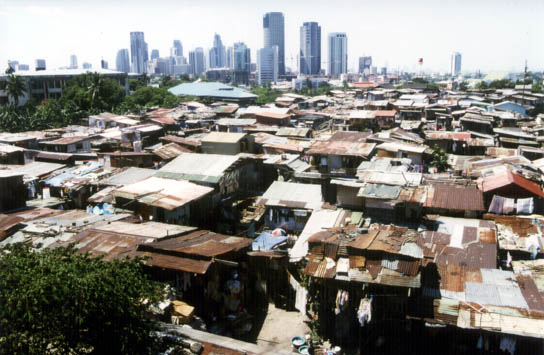
Peak-oil alarmists have been predicting for several years that rising fuel costs will eventually make large houses and long commutes unaffordable. According to this scenario, American suburbs are destined to become slums.
As the price of gasoline surpassed $4 a gallon last summer, the alarmist scenario became increasingly plausible. Then, in a surprising twist, fuel prices dropped precipitously. But cheaper energy has not prevented many suburbs from falling into crisis. Many suburban homeowners, especially those who owe more to the bank than their homes are worth, have a growing sense of anxiety. Unemployment and foreclosure rates are rising in tandem, with devastating effects in suburban communities from California to Florida.
The “boomburg” is born
In the latest issue of The New Yorker, George Packer describes the recent construction boom in the Fort Myers, Florida, metropolitan area: “Over the past few years, these inland subdivisions, which are sometimes called ‘boomburgs,’ appeared as if overnight. . . . Across flat and empty fields of wire grass, the developers paved suburban streets and called them Old Waverly Court and Rolling Greene Drive. They parceled out lots smaller than a quarter acre and built, with concrete blocks and stucco, look-alike two-story beige and yellow houses; columned archways over the front doors lent an illusion of elegance. The houses sold for two or three hundred thousand dollars to some of the thousand or so people who moved to Florida every day.”
The boomburg collapses
Since the end of 2005, however, the value of these homes has plummeted. According to the February 8 issue of The New York Times, the median home price in the Fort Myers metropolitan area fell from $322,300 in December 2005 to $106,900 in December 2008.
During a recent visit to Fort Myers, President Obama said, “I know Fort Myers had the highest foreclosure rate in the nation last year. I know…
Weekly Newsletter
Get building science and energy efficiency advice, plus special offers, in your inbox.

This article is only available to GBA Prime Members
Sign up for a free trial and get instant access to this article as well as GBA’s complete library of premium articles and construction details.
Start Free TrialAlready a member? Log in





2 Comments
Scary stuff
If you haven't read James Kunstler on this subject, you should. His nonfiction book "The Long Emergency" is scary, and I just started his novel "World Made by Hand" which is truly terrifying.
Slumburbia
Here's another blog on the same topic:
http://opinionator.blogs.nytimes.com/2010/02/10/slumburbia/?scp=1&sq=Slumburbia&st=cse
Log in or become a member to post a comment.
Sign up Log in