When is a Window Upgrade Worth the Extra Cost?
A Massachusetts builder ponders the added expense of installing triple-glazed windows and wonders whether the move would really pay off
Should you spring for good windows? Although triple-glazed windows cost more than double-glazed windows, they are probably a wise investment — at least for homeowners in cold climate zones.
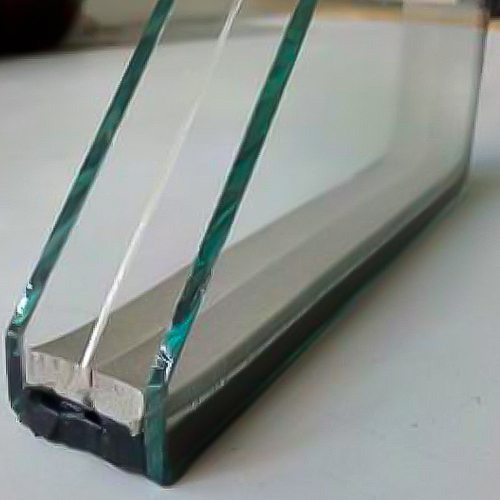
There's no doubt that windows are getting better — much better. The double-glazed, low-eLow-emissivity coating. Very thin metallic coating on glass or plastic window glazing that permits most of the sun’s short-wave (light) radiation to enter, while blocking up to 90% of the long-wave (heat) radiation. Low-e coatings boost a window’s R-value and reduce its U-factor. units that looked so ground-breaking a few years ago seem merely ordinary now that Canadian, European and some U.S. manufacturers are producing high quality triple-glazed units.
Triple-glazed windows offer substantial benefits, including improved indoor comfort and lower energy bills.
But they aren't cheap. Homeowners who are already facing painfully high building costs have to weigh the costs against the benefits. Are triple-glazed windows really worth the added cost?
Jon Wyman recently posed this question in a Green Building Advisor Q&A as he weighed the benefits of an upgrade for a double-wall house in western Massachusetts.
Wyman had already been planning to use triple-glazed windows in most of the house but was looking at another $4,800 up-charge to put triple-glazed units in the rest of the openings.
Marvin triple-glazed windows, with a U-value of 0.24 and a solar heat gain coefficient(SHGC) The fraction of solar gain admitted through a window, expressed as a number between 0 and 1. of 0.31, would cost $963, compared with $583 for Marvin's double-glazed units with a U-value of 0.33 and an identical SHGCSolar heat gain coefficient. The fraction of solar gain admitted through a window, expressed as a number between 0 and 1..
RELATED ARTICLES
Windows, Glass, Ratings, and Installation
Musings of an Energy Nerd: Passivhaus Windows
Energy Solutions: Making the Case for Triple-Glazed Windows
7 Steps to an Energy-Efficient House: 4. Windows
Choosing Triple-Glazed Windows
PRODUCT GUIDE
Sorry, no simple answers
Fuel costs will be lower and the house will be more comfortable with all triple-glazed windows, writes GBAGreenBuildingAdvisor.com senior editor Martin Holladay. That much is a given.
But the real question, he adds, is whether lower energy savings can be quantified? "You'll need to use energy modeling software to answer that question," Holladay says. "It would be necessary to model your home with the two options, and compare the energy use data."
Christopher Briley agrees that energy modeling is the only reliable way to compare double- and triple-glazed window performance. Even offering a gut reaction is tough, he adds, without knowing more about the design of the house and whether windows are primarily for heat gain or for admitting daylight.
"Then there's the matter of how you feel about the investment," Briley says. "Let's shoot from the hip and say an upgrade in windows to triple-pane saves you $240 a year (using today's fuel costs). Is it worth it to you? They are higher quality. They will feel different, even look a little different. I'm afraid there are too many variables to tell you for sure what you'd save or not save."
But the advantages of triple-glazed units are still clear
Even without running energy software to predict actual savings, Stephen Thwaites of Thermotech Fiberglass Fenestration points to several advantages of triple-glazed windows.
On the qualitative side, Thwaites would expect more comfort and greater resistance to condensation. Especially with larger window sizes, having the inner layer of glass warmer makes a "big, big difference in comfort," he says.
Condensation should be less of a concern in new construction where ventilation can be more easily controlled. Even so, Thwaites adds, "any triple beats any double, although obviously a warm edge triple will have the least condensation."
On the quantitative side, the relative savings offered by really good windows can be "substantial" as wall thickness increases, he says.
Energy modeling that factors in solar gain and window U-factors is the best way to caluclate savings for a specific house. However, in simulations for one double-wall house, Thermotech predicted savings of 35% with triple-glazed units over low-e double-glazed units.
"This is likely pretty close to an upper limit for any savings claims," he adds.
Experience counts, too
Andrew Henry offers first-hand experience in comparing Marvin double-glazed and Thermotech triple-glazed units. He had both in his own house, located north of Ottawa.
Henry says he saw "quite a bit" of condensation on the double-hung units, while "for all intents and purposes I don't get condensation on the Thermotech triple-glazed windows."
"As for comfort, I'd much rather sit near my triple glazed windows on a cold night than my double glazed windows," he adds. "You can feel the convective draft looping around when sitting next to the double glazed windows on a cold night."
Consider the type of window as well
The type of window — double-hung vs. casement, for example — also has a bearing on comfort and energy savings.
"If you're looking at triple glazing because of energy performance, you might want to reconsider your choice of double-hungs," writes James Morgan.
"Depending on local wind conditions, casements can offer significantly better air-sealing performance; also they can be substantially smaller than double-hungs and still meet code egress requirements."
Along the same lines, John Brooks would consider reducing the number of operable windows and doors. Fixed windows not only cost less, he says, but are also better than operable units in terms of U-factor, air tightness, and durability.
"I know that a window gives a three-in-one package (light, view, and ventilation)," Brooks says. "Sometimes dividing the functions works too."
Windows are a sound investment
Unlike kitchen counters, cabinets, and other easily replaced building components, windows are difficult and expensive to change later.
"In 20 years, what will you regret about your specification decisions? Homeowners NEVER regret putting in too much insulation or buying high-performance windows," Holladay says. "However, some homeowners get tired of the bathroom fixtures or kitchen cabinets. You might want to scrimp elsewhere, and invest in the good windows."
Image Credits:
- Inline fiberglass
Thu, 08/12/2010 - 10:38
Replacement Windows vs New Construction- what's appropriate
by tom
I totally agree with your closing statement about insulation and windows.
Mon, 08/16/2010 - 09:58
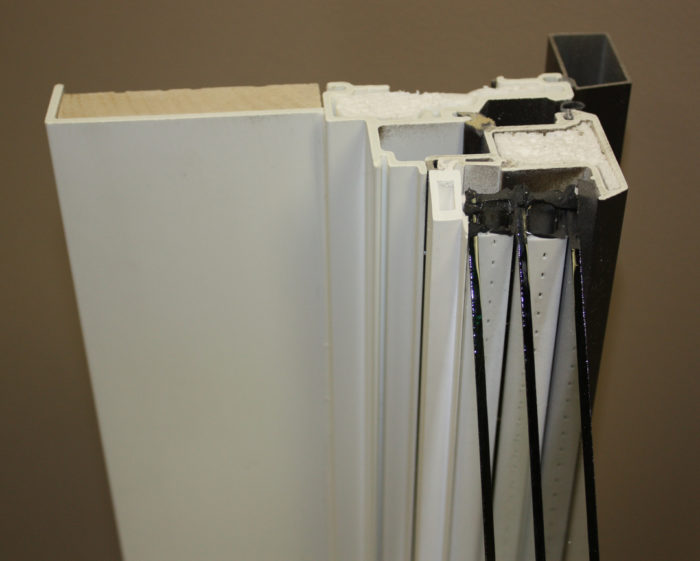
Window frame in article
by Anonymous
Nice looking Fibreglass frame.. It's also a face seal glazing design with no drainage under the IGU. The drainage path would be into the foam insert. the jamb extension precludes gettin a good air seal around the perimeter at the back of the frame where it belongs. Foaming around the window for an air seal is problematic , ask the people in Toronto at window wise when they had tests done on a set of foamed in windows and they all leaked and took remedial work after the tests found the leaks.
The jamb extension also moves the window out in the wall assembly, makes it harder for room warm air to get to the window and warm it. A well insulated window will loose heat slower than a poorly insulated one, BUT it still looses heat and with out a source of makeup heat it will get cold, possibly down to the dew point for the air adjacent to the window. So keep the window in as far as you can and make sure it gets a source of heat to balance the heat flow to the exterior.
Mon, 08/16/2010 - 17:08
triple glaze
by JohnEd
Move SOUTH!!!
Mon, 08/16/2010 - 21:25
Triple glazed is SO old fashioned - Get SERIOUS
by Anonymous
There was a "This New House" where Amy Matthews talked to the Serious Windows CEO and their 5-layer windows are clearly superior with insulation qualities of an insulated wall. They are rebuilding all the windows in the Empire State Building without replacing all the existing panes of glass. VERY GREEN!
Thu, 06/30/2011 - 00:23
SHGC
by John Gant
I have to ask - shouldn't the Solar Heat Gain Coefficient selection be higher? 0.31 is very low in a heating dominated climate. I"ll bet a 0.5 would provide significant benefits in reducing heating costs across most of the year, and be no more expensive.
Thu, 06/30/2011 - 04:10
Response to John Gant
by Martin Holladay, GBA Advisor
John,
I agree. When I provided recommendations in my article, All About Glazing Options, I suggested that a triple-glazed window for a cold climate should have a whole-window SHGC of 0.33 to 0.47 (or a center-of-glass SHGC of 0.50 to 0.63).
Google
Yahoo
Facebook
Technorati
Reddit
Delicious
Digg
StumbleUpon


Comments