Why no “ridge vents” for walls?

hallie17
| Posted in Energy Efficiency and Durability on
I’ve been thinking about wall insulation vs. attic insulation. Why is it that ventilation is not needed in wall assemblies using fiberglass or cellulose insulation in the same way that it is needed for roof assemblies. I certainly know this is true, but discover I’m not clear on the science behind it. For old 2×4 walls, I think it might be because the insulation is thin enough so the dew point isn’t reached within the assembly. But what about double stud walls and other higher insulation assemblies?
GBA Detail Library
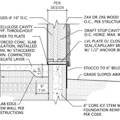
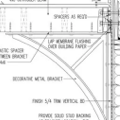
A collection of one thousand construction details organized by climate and house part
Search and download construction details




Replies
Hallie,
The short answer to your question: if you are building a double-stud wall, you should definitely include ventilation. The ventilated air gap between the siding and the wall sheathing is usually called a rainscreen gap.
I have been recommending the practice for thick walls for some time; for example, see How Risky Is Cold OSB Wall Sheathing?