Moisture through concrete slab

GBA Editor
| Posted in Webinar Follow-up Q&A on
I have noticed with higher SEER A/c units being installed the migration of moisture thru a concrete slab is exacerbated. Do you recommend waterproofing a slab to prevent these vapor emissions.
GBA Detail Library
A collection of one thousand construction details organized by climate and house part
Search and download construction details



Replies
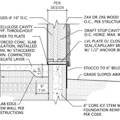
There may not be any correlation between the high SEER units and moisture migration - need more information to really get into specifics. But regardless, taking measures to reduce the moisture vapor transmission through the concrete slab is always a good thing. Ideally the measures are incorporated before the slab is placed. Graded stone (1/2 - 1 in) layer as a capillary break with perimeter drains to move away ground water is the first step. Next is a layer of insulating foam (this provides moisture resistance and brings the slab 'within' the thermal layer of the house so it's less likely to be a condensing surface). If you don't have headroom or the budget for the foam, a layer of plastic will also block vapor transmission.
Retrofits are hard to existing slabs. There are several approaches. One is to apply a thin layer of high density spray foam and then a dimple mat flooring panel system. Another I use is a concrete penetrating sealer (not a waterproofing sealant). The penetrating sealer doesn't stop the moisture vapor but it seems to slow it down a lot. Waterproofing sealers may work but often delaminate from the concrete as moisture pushes it's way up. I've seen some good quality waterproofing sealers develop blisters over the surface. The blisters were fill of water.
Pete may have some suggested links to further information.
I recently retrofitted a couple older homes I own with high SEER (14 - 18) condensers. I haven't noticed any additional moisture through the basement floors or walls. If anything, the new units (slightly undersized) do a better job at dehumidifying the homes and basement.
That said - as you dry out the air more, the moisture gradient will be steeper so moisture moving through the slab will likely increase (moisture vapor moves from higher concentrations to lower concentrations).