
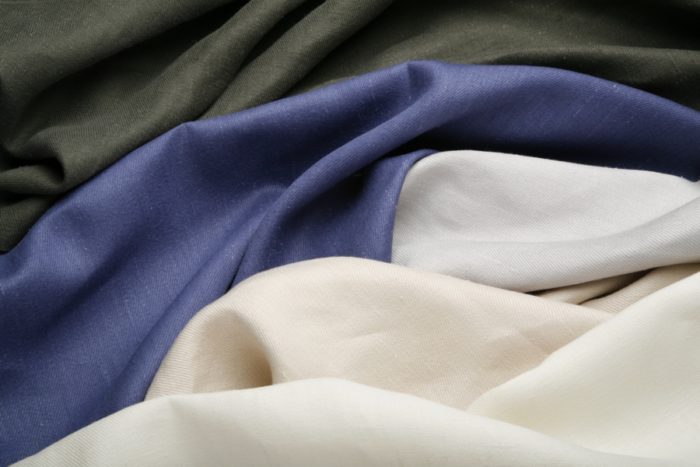
Image Credit: O Ecotextiles Inc.
Surrounding ourselves with natural fibers is like comfort food—inviting and comfortable in so many ways. All-natural materials like cotton, wool, soy silk, flax/linen, ramie, bamboo, Tencel, corn, jute, and hemp also have less embodied energy than their petroleum-based counterparts.
Naturally (pun intended), even these have environmental impacts. As noted in Green Building Advisor’s Product Guide, conventional cotton is grown with significant chemical fertilizer and pesticides. Wool and silk—animal products imported from overseas sources— typically are treated with chemicals to ward off moth infestation and microbial growth. Hemp and jute, also primarily from overseas sources, are fairly resistant to pests, both as plants and after manufacture into fabrics.
As a rule, however, natural fibers tend to require minimal processing before manufacturing, which reduces their environmental impact over the entire life cycle. Eco characteristics generally include the minimal use of chemicals and pesticides; responsible land management and sustainable ranching/farming practices; certifications; and fair trade practices. Take into account as well the raw material selection, production, dye process, usage, and disposal in addition to the consumption of energy, water, and chemicals.
Weekly Newsletter
Get building science and energy efficiency advice, plus special offers, in your inbox.





0 Comments
Log in or create an account to post a comment.
Sign up Log in