
-
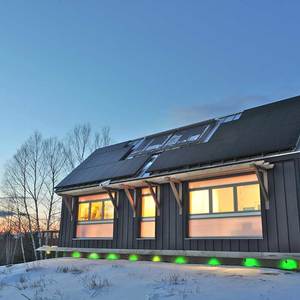
Offsite Construction and High-Performance Homes
Modular, panelized, and prefab homes are not new ideas. But has their time finally come? And are they a good fit for green builders?
-
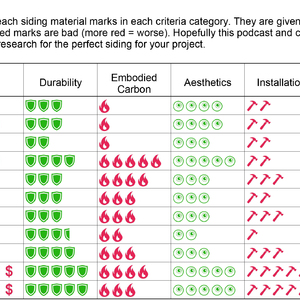
Siding For Your Sustainable Home
A podcast episode to be your guide in choosing the siding that’s right for you (and better for the planet)
-
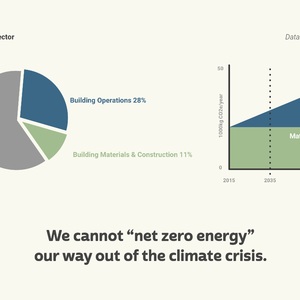
Embodied Carbon Emissions in Buildings
Phil and Chris define the critical difference between embodied and operational carbon, and explain why net-zero-energy buildings simply aren't enough at this moment in time
-
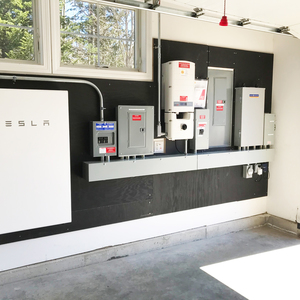
The Pros and Cons of Solar Storage
Adding battery storage to your solar system is a must for off-the-grid living and a great idea for shaving your peak demand or for back-up power
-
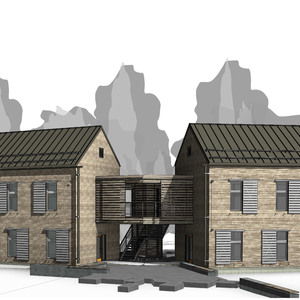
A Discussion of the Living Building Challenge Certification Program
Phil and Chris talk about a certification program that aims to transform the marketplace, with all its joys and challenges
-

The Multi-Zone Heat Pump Issue
Why do multi-zone air-source heat pumps usually perform worse than single-zone ductless minisplits?
-
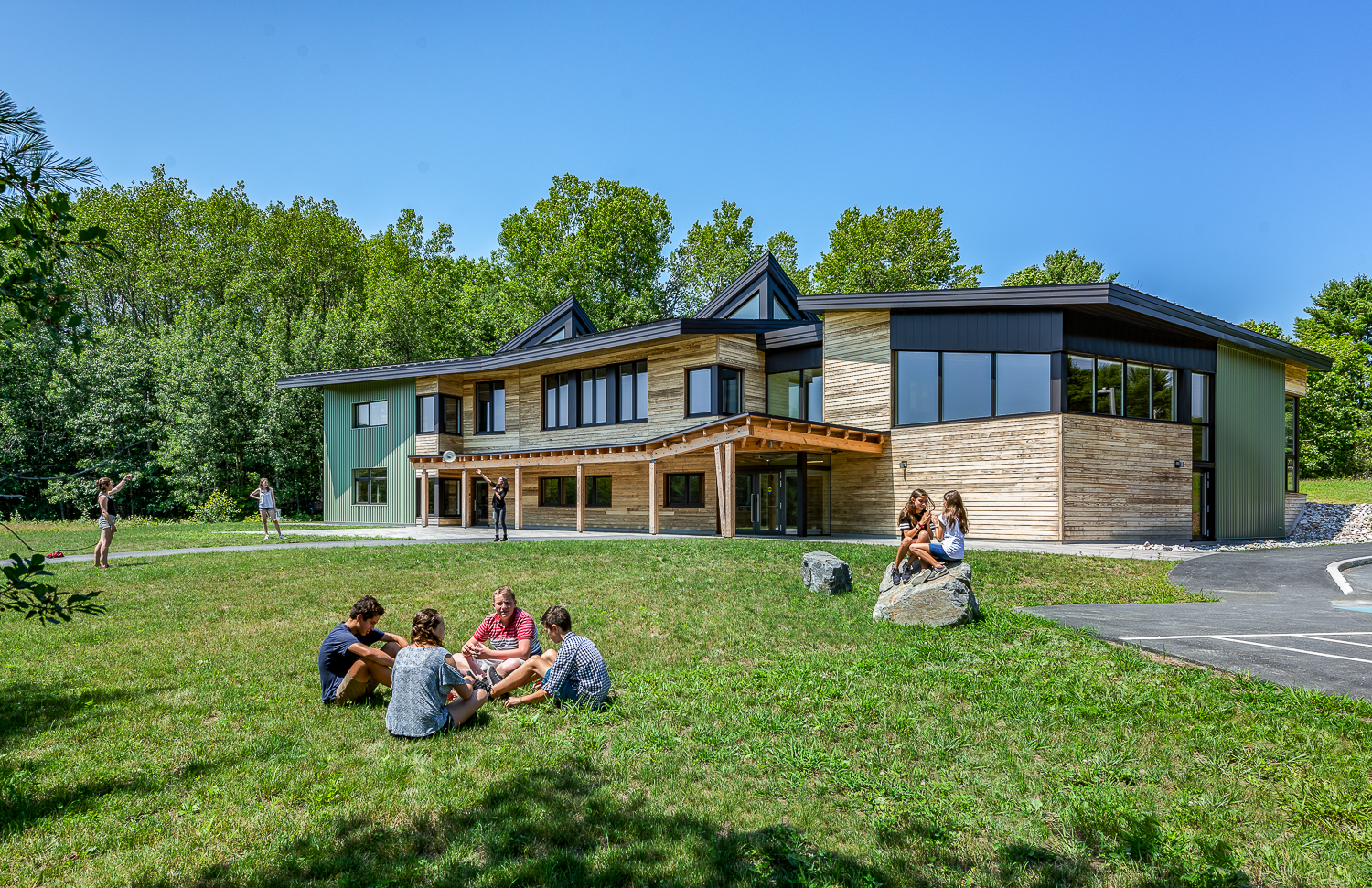
Getting Schooled on Passive House
After designing two Passive House schools, the Maine architects share what they've learned about educational facilities
-
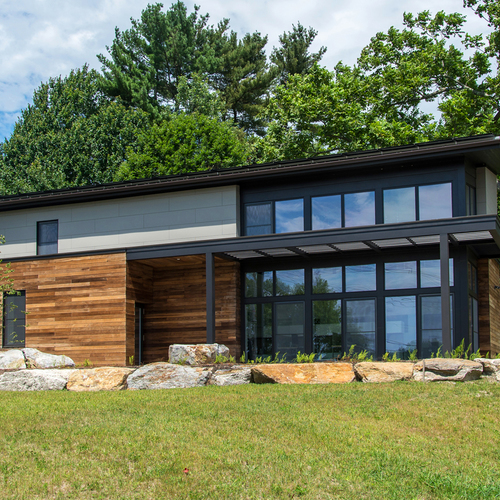
Passive House: PHIUS or PHI?
An architect's guide to help you decide which organization should certify your Passive House
-
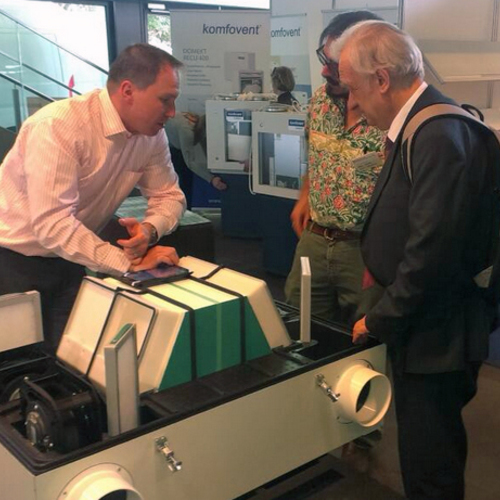
Ventilation for Your Tight House — Part 2
Our guest, Sonia Barrantes, continues the conversation about the best options for a healthy, comfortable ventilation system
-

Ventilation for Your Tight House — Part 1
Now that your house is tight, getting your ventilation system correct is vital









