
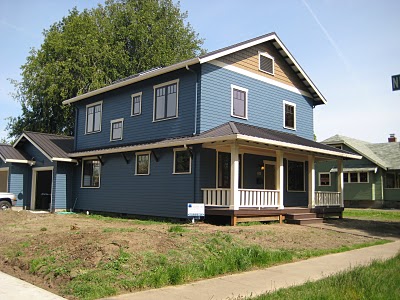
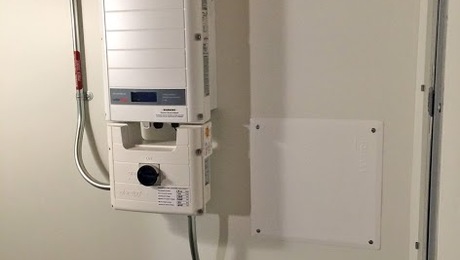
Image Credit: Sarah Evans and Stuart Rue
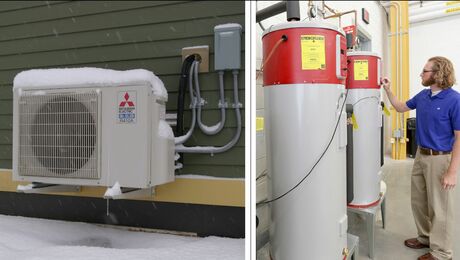
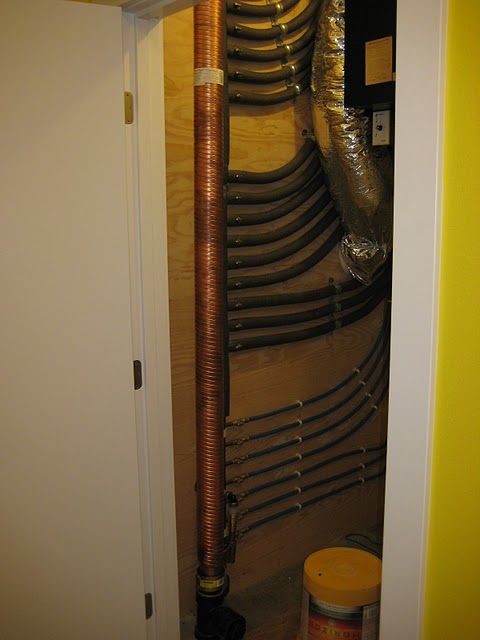
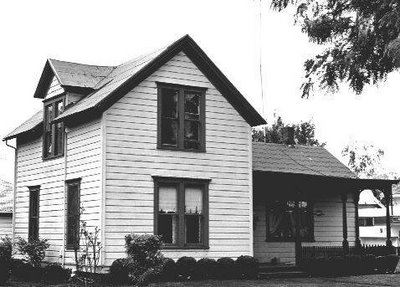
Image Credit: Sarah Evans and Stuart Rue The home uses a Power-Pipe drain water heat-recovery device, made by RenewAbility Energy Inc. The owners of this Passivhaus building, Sarah Evans and Stuart Rue, hired people with green home building experience to see the project through: local builder Bilyeu Homes Inc. and Salem-based architect Nathan Good. In addition to Passivhaus certification, the performance of the Evans-Rue house also earned it a Platinum certification from EarthAdvantage, a nonprofit green building program based in Portland, Oregon. The house that formerly occupied the lot where the Evans-Rue house now stands was built about a century ago, according to Sarah Evans, and was demolished about 12 years ago.
More Green Building News


Short of training as a Passivhaus consultant, one way to immerse yourself in Passivhaus technology and practice is to have a home built to the standard and then live in it. That’s what Sarah Evans and her husband, Stuart Rue, have done with their two-story project in Salem, Oregon, which broke ground in August 2009 and earned certification by Passive House Institute U.S. last month.
Planted on a roomy corner lot, the three-bedroom, two-and-a-half-bath house has about 1,880 sq. ft. of space divided almost evenly between the two floors. Evans and Rue hired local, green-minded experts to help them shape their vision for the house and get it in the ground: builder Bilyeu Homes Inc. and architect Nathan Good, both based in Salem. And like many other homeowners, designers, and builders who venture into the still-rarefied realm of Passive House construction, the couple blogged about the process and posted lots of photos.
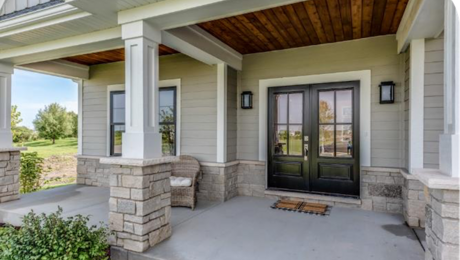
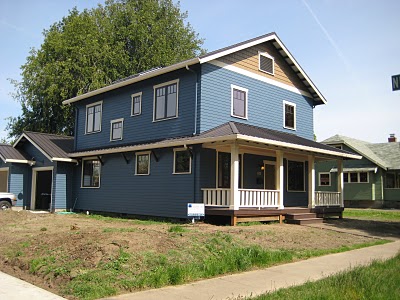
The Evans-Rue house features advanced framed double-stud walls (just over a foot thick) and exceptional airtightness, having achieved .20 ACH at 50 Pascals in its last blower-door test. It also features exterior detailing that honors the traditional look of much older homes in the Northwest, including the 100-year-old house that, until about 12 years ago, had occupied the Evans-Rue lot. Evans credits Good with forging a compatible design.
“We wanted our house to fit in with the surrounding neighborhood and Nathan really made that happen,” she told Earth Advantage, a nonprofit green building and rating program based in Portland, Oregon, that certified the house with a Platinum rating, its highest, based on the building’s high level of energy efficiency.
“We have received two power bills constituting a little less than two months of electricity service at the new house,” Rue wrote on July 16. “We have averaged a tiny bit less than 14 kW per day. By way of comparison, the average American house uses about 30 kWh per day, according to the Department of Energy. Except for a few days last week, the weather since we’ve moved into the house has been very temperate, so we weren’t expecting a huge bill. Still, it’s nice to see such a low bill, especially considering that electricity is our only energy source.”
For more information on the house, see Net Zero Energy Homes Case Study 2: Rue Evans Passive House.
Weekly Newsletter
Get building science and energy efficiency advice, plus special offers, in your inbox.


One Comment
Great house!
Energy efficient homes can and should blend in with the neighborhood, congratulations to the owners for a job well done.
Log in or create an account to post a comment.
Sign up Log in