
More Code Green


9 Steps to A Greener Code
New homes built using the 2009 International Residential Code (IRC) or International Energy Conservation Code (IECC) will be more energy efficient than ever. As a consequence, a builder’s world may become a bit more complex and, in some cases, a bit more expensive.
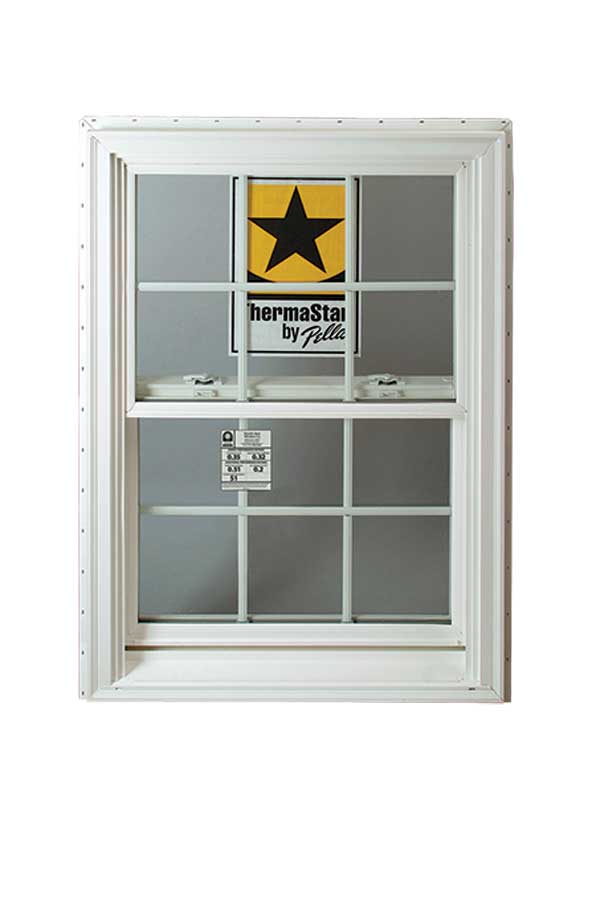
STEP 6: EFFICIENT WINDOWS
Code: N1102.1 In certain warm climates, the thermal performance of windows has been increased.
What it means to you: Heat gain or heat loss from windows causes a significant loss of energy. Windows are rated by U-value, which is the inverse of R-value. The lower the number, the more efficient the window is at blocking heat flow. In climate zones 1 to 4, which are generally hotter in the summer, U-values have decreased, representing an increase in energy efficiency.
Solar-heat-gain coefficients (SHGC) measure how well a window blocks heat from sunlight. these standards also have changed. SHGC is expressed by a number between 0 and 1. The smaller the number, the less solar heat is transmitted into a home. In hotter climates (1 to 4), the SHGC requirement has been reduced considerably, which reduces the stress on cooling equipment and overall home operating costs.
The 2009 building codes reflect practices that not only increase energy efficiency—air-sealing measures and increased insulation, for example—but also address sustainable building practices, such as moisture control.
Other segments of this series:
Part 4: Programmable Thermostats
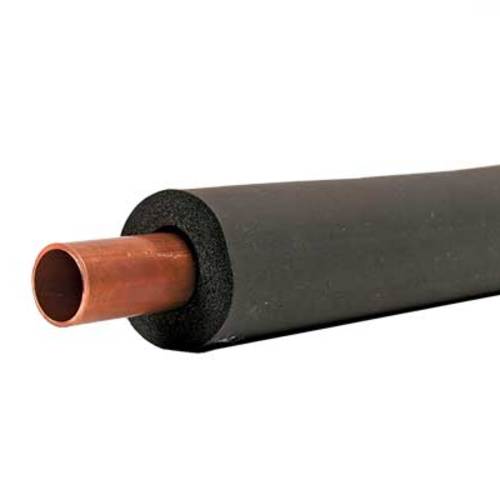
Part 7: Insulating Mechanical Pipes
Part 8: Exceeding the Energy Code
Weekly Newsletter
Get building science and energy efficiency advice, plus special offers, in your inbox.





One Comment
Climate Zones
Which Climate Zones are generally not hotter in the summer?
Log in or create an account to post a comment.
Sign up Log in