Biography
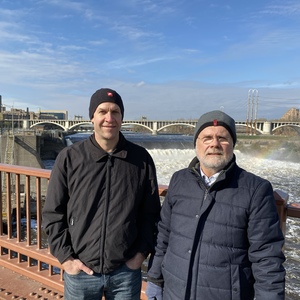
Peter Yost is the Director of Residential Services for BuildingGreen, LLC in Brattleboro, Vermont. He has been building, researching, teaching, writing, and consulting on high-performance homes for more than 20 years. His expertise stretches from construction waste management and advanced framingHouse-framing techniques in which lumber use is optimized, saving material and improving the energy performance of the building envelope. to energy efficiency and building durability.
Peter has made significant contributions to the work of many leading homebuilding organizations and initiatives — NAHBNational Association of Home Builders, which awards a Model Green Home Certification. Research Center, Building Science Corporation, 3-D Building Solutions, EEBA, Masco's Environments for Living® program, USGBCUnited States Green Building Council (USGBC). Organization devoted to promoting and certifying green buildings. USGBC created the LEED rating systems.'s LEED for HomesLeadership in Energy and Environmental Design. LEED for Homes is the residential green building program from the United States Green Building Council (USGBC). While this program is primarily designed for and applicable to new home projects, major gut rehabs can qualify.
and REGREEN programs, and the US Department of Energy's Building America program.
Peter is currently Technical Director for GreenBuildingAdvisor.com, an instructor for the Boston Architectural College's Sustainable Design Certificate program, and an adjunct faculty member of the University of Massachusetts Department of Building Materials and Wood Technology program in Amherst.
Green Story
"They say it's better to be lucky than smart," Peter Yost says. "I got into home building out of dumb luck, but it turned out to be the smartest thing I ever did."
While teaching high school in his early 20s, Yost needed a summer job. His two oldest brothers had a busy construction business, and he became the hired hand — staining clapboards, hauling drywall, getting coffee. "I had no idea that I would actually like the work or make a career out of it," Yost remembers. "But something about working with both my head and my hands, and particularly working with wood, struck a chord."
Green building just came naturally. Yost is from a family of 13, raised on a minister’s salary. His mother grew up a fisherman’s daughter in a house several feet below sea level. The house had a rooftop rainwater-catchment system. "She knew more about resource efficiency than any Nobel laureate in economics," Yost declares. "And she taught the eleven of us all about it."
"I distinctly remember the day I started to think differently as a builder," Yost continues. One of the towns on the New Hampshire seacoast where Yost was building closed its dump with no warning. "One day we were dumping demolition debris close by and for free, and the next we were off to a regional landfill 35 miles away, paying $65 a ton."
But distance and cost didn't drive the green message home — how quickly the waste accumulated did. That first day Yost entered the landfill, he drove a half mile down from the tipping scale to the dump site. Just a few months later, when another job in the area sent him to the landfill, Yost had to drive a quarter mile farther — and up — to dump his job waste. "That was the day I began thinking seriously about a different way of building, a way that several years later would come to be called green building," Yost says now.
"To me, green building is all about process," Yost explains. "It's a mix of thinking and building that continually evolves better ways to design and build. I have come to think of green building as the way that quality, resource efficiency, and durability fit together in a home with the smallest environmental footprint possible."
"But stay tuned — I think we still have a lot to learn."